Now Offering Math Tutoring - BooK Now!
  • Book a Tutoring Session
  • About us
  • Contact Us
logo
  • Home
  • Lessons
  • Quizzes
  • Products
  • Blog
  • Math Tutoring
Flipped Learning – How to Incorporate Flipped Learning in Any Class
  1. Home
  2. Flipped Learning
  3. Flipped Learning – How to Incorporate Flipped Learning in Any Class

Flipped Learning – How to Incorporate Flipped Learning in Any Class

Oct 03, 2022
  • Flipped Learning

Introduction

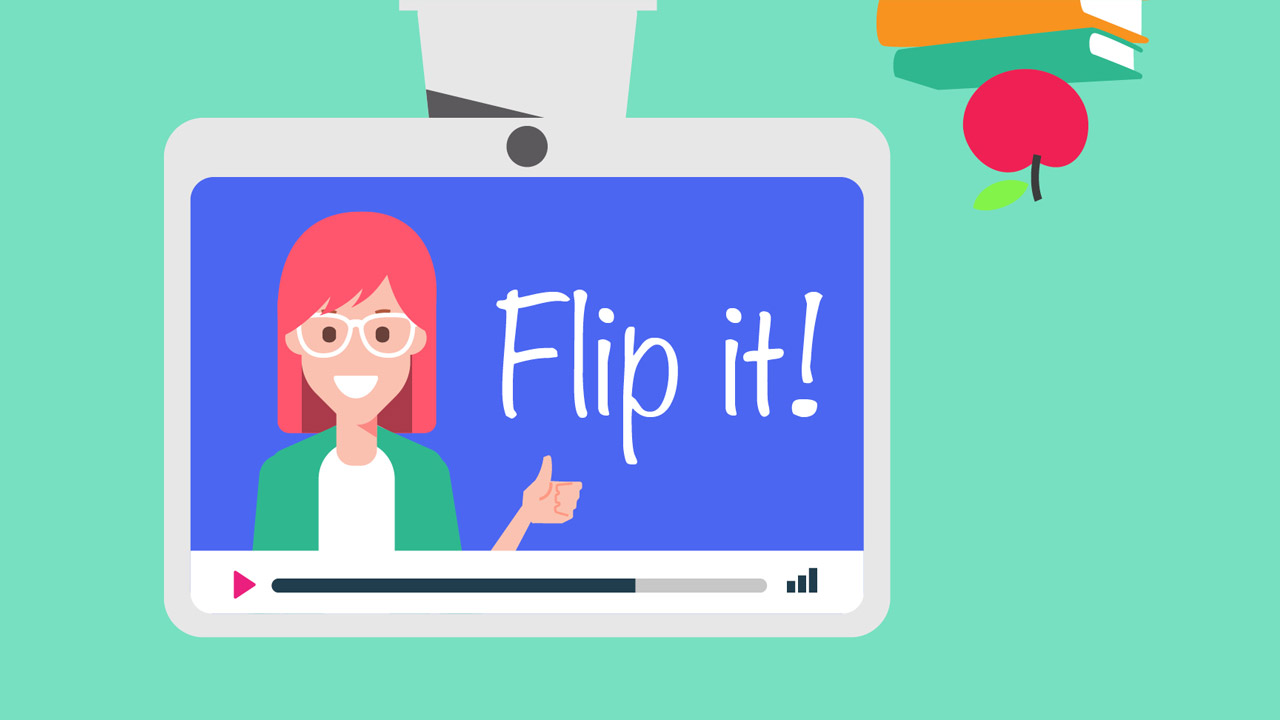
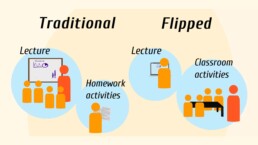
The Flipped Learning model has been gaining popularity in recent years as a way to engage students and promote active learning. Flipped Learning involves inverting the traditional teaching model so that instead of lectures taking place in class with homework assigned for out-of-class, lectures are assigned for out-of-class work with class time devoted to interactive activities.

Although my blogs are geared toward Flipping Your Math Class, it is not limited to math classes. In fact, Flipped Learning can be incorporated into any class. While Flipped Learning may look different depending on the subject matter, the concept remains the same. As such, in this blog post, we’ll take a look at how Flipped Learning can be incorporated into Math, French, English and even Science classrooms.

English Class

In an English Lesson on figurative language, students can watch examples of figurative language at home and then identify them in class. In small groups, they might create their own examples of figurative language and apply them to different situations. In any Flipped Learning classroom the focus should remain the same; ensuring students are engaged and interactive during class time.

In addition, it is also important to assess students individually to determine each student’s level of comprehension. As such, I would recommend using Quizizz assessments that allow students to take mini-assessments while allowing teachers to monitor their success. Assessments include various subjects and tons of FREE assessments to choose from.

French Class

For a French Lesson on conjugating verbs, students could watch a grammar lesson at home and then practice conjugating verbs in class. They could work in groups of three to come up with sentences using verbs in different tenses and then showcase them on the whiteboards. In addition, this will also allow students to practice speaking the language to each other during class time. Communication is critical in all classes.

Whiteboards during French class can also be used. How you choose to incorporate the use of a whiteboard is entirely up to you. Students are more likely to work harder when others will see it. Allowing students to showcase their learning, results in better performance.

Once again, a mini-assessment should also be used in French class to ensure which students have fully grasped the concept and which students need a little extra help.

Math Class
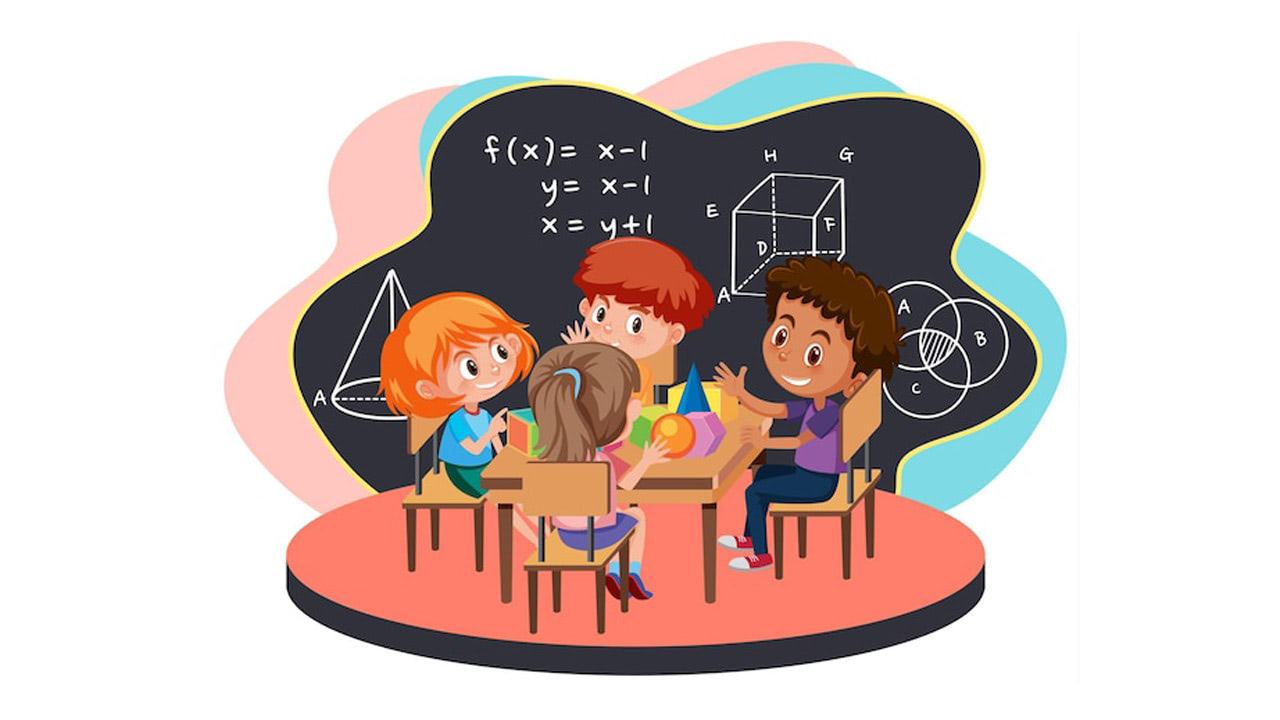
In a Math Lesson, for example, students might watch a video at home that explains a new concept. The next day, students will use their newly acquired knowledge to complete the math problems. In small groups, they will practice applying the new concept to different problems while using the whiteboard to showcase their solutions.

You can learn more about What a Flipped Classroom Looks Like and How to Successfully Flip Your Math Class in my other blog post. I am always pleased with the level of engagement and interaction among students during Flipped Learning.

I also assess my students individually during math class using Quizizz. The last 10 minutes of class time is devoted to individual assessment. You can diversify the assessment you use or simply use quizizz for every class – the choice is up to you! Whichever method you choose the focus is on allowing students to practice the new concept on their own.

Science Class

For a Science Lesson on atoms, students can watch a video about atoms at home and then answer questions about the video in class. In small groups, they might apply what they’ve learned by doing an experiment on atoms. Perhaps even assigning them a video on how to successfully perform a lab experiment they will administrate the following day in class. This way, class time is spent more on completing the lab experiment and less on the how-to.

Conclusion

Flipped Learning is a great way to differentiate instruction and meet the needs of all learners by providing more targeted small-group instruction. The idea of Flipped Learning is to get students out of their seats and engaged in their learning. How you choose to engage your students is entirely up to you.

These are just a few ways to incorporate Flipped Learning in different classes! The possibilities are endless.

Try incorporating Flipped Learning in your Math, French, English or Science lessons today!

If you have successfully Flipped Your Class, we would love to hear from you! Tell us your experience in the comments below!


Popular posts

3 Ways To Improve Problem-Solving Skills With Flipped Learning Today
How to Create Engaging Math Videos For Flipped Learning
5 Reasons Why Flipped Learning is the Future of Education
How to Create an Assessment Using Google Forms

You might also like these articles.

4 Ways Flipped Learning Teaches Students How To Learn

May 12, 2023Flipped Learning

5 Reasons to Consider a Math Tutor in High School

February 6, 2023Tutoring

Flipped Learning - How To Spend Less Time Flipping Your Math Class

October 14, 2022Flipped Learning

Flip Your Classroom With These Online Tools

December 20, 2022Flipped Learning

How Technology is Transforming Education

November 15, 2022Education

Flipped Learning - What Does A Flipped Classroom Look Like?

September 24, 2022Flipped Learning

Comparing the Benefits and Drawbacks of Popular Video Platforms for Teachers

January 23, 2023Flipped Learning

How Flipped Learning Benefits Introverted Students

December 9, 2022Flipped Learning

The Importance of Math in Everyday Life

October 24, 2022Mathematics

Flipped Learning - Why More Math Teachers Are Choosing to Flip Their Class

October 21, 2022Flipped Learning

5 Free Online Formative Assessments to Use in Your Classroom

April 19, 2023Flipped Learning

Flipped Learning - How to Successfully Flip Your Math Class

September 30, 2022Flipped Learning

How Teachers Can Use a Random Team Generator in a Flipped Classroom

May 3, 2023Flipped Learning

The Importance of Teaching Students How to Learn

November 7, 2022Education

How to Find the Area of a Triangle

November 4, 2022Mathematics

Flipped Learning - The Classroom Dynamic

October 17, 2022Flipped Learning

Knowing How to Find The Area Can Help You In The Real World

October 28, 2022Mathematics

5 Ways to Use Google Classroom in Your Math Class

February 21, 2023Flipped Learning

How to Find the Area of a Parallelogram

October 31, 2022Mathematics

5 Challenges & How to Overcome Them

September 19, 2022Flipped Learning

Flipped Learning - 5 Reasons to Flip Your Math Class Today

September 19, 2022Flipped Learning

3 Ways To Improve Problem-Solving Skills With Flipped Learning Today

November 29, 2023Flipped Learning

Flipped Learning - Traditional Versus Flipped Classroom: What is the Difference?

September 27, 2022Flipped Learning

How to Create an Assessment Using Google Forms

June 20, 2023Flipped Learning

Flipped Learning Tips and Tricks for Teachers

April 4, 2023Flipped Learning

How to Keep Students Organized in a Flipped Classroom

January 6, 2023Flipped Learning

5 Reasons Why Flipped Learning is the Future of Education

July 19, 2023Flipped Learning

Flipped Learning - How to Get Students to Watch the Videos

October 7, 2022Flipped Learning

How to Create Engaging Math Videos For Flipped Learning

October 25, 2023Flipped Learning

The Role of the Teacher in a Flipped Classroom

November 22, 2022Flipped Learning

Flipped Learning For All Learners: Visual, Auditory, and Kinaesthetic

November 12, 2022Flipped Learning

Flipped Learning - How Flipped Learning Promotes a Growth Mindset

October 10, 2022Flipped Learning

How to Assign an Assignment on Google Classroom

March 9, 2023Flipped Learning

The Benefits of a Flipped Classroom Model for Building Independent Students

January 16, 2023Flipped Learning

How to Calculate the Area of a Trapezoid

November 30, 2022Mathematics

About us

At Simple Modern Learning, we believe that all students can achieve academic success with the right tools and strategies.

  • hello@simplemodernlearning.com
Quick Links
  • Home
  • Math Lessons
  • Math Tutoring Sessions
  • Math Products
  • Full Course Access
  • Blog
  • My Account
Company
  • About us
  • Faq
  • Tutoring Jobs
  • Contact Us
Join our Mailing List

By entering your email, you're consenting to receive marketing communications about Simple Modern Learning. Learn how we use your information in our Privacy Policy.

Join our Mailing List

By entering your email, you're consenting to receive marketing communications about Simple Modern Learning. Learn how we use your information in our Privacy Policy.

Quick Links

  • Home
  • Math Lessons
  • Math Tutoring Sessions
  • Math Products
  • Full Course Access
  • Blog
  • My Account

Contact us

  • hello@simplemodernlearning.com

About us

At Simple Modern Learning, we believe that all students can achieve academic success with the right tools and strategies.

Company

  • About us
  • Faq
  • Tutoring Jobs
  • Contact Us

© 2026 Simple Modern Learning All rights reserved. | At Simple Modern Learning, we believe that all students can achieve academic success with the right tools and strategies. We are dedicated to providing high-quality, innovative educational resources for both teachers and students. That's why we provide helpful educational blogs for teachers and parents while also providing resources for students. Our mission is to make learning simple, modern, and meaningful.


  • Terms & conditions
  • Privacy Policy
  • Refund and Returns Policy
  • Sitemap