Flipped Learning Tips and Tricks for Teachers
As a teacher, you know that staying up to date with the latest teaching techniques and theories is important in helping your students reach their full potential.
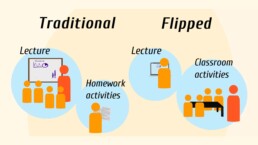
Flipped Learning can be an incredibly effective tool to have in your classroom — but it can also feel daunting and overwhelming when you’re just getting started.
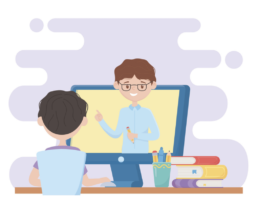
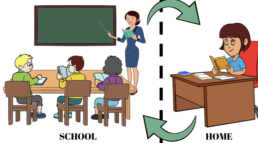
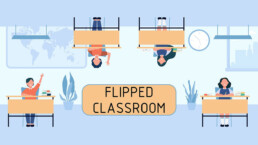
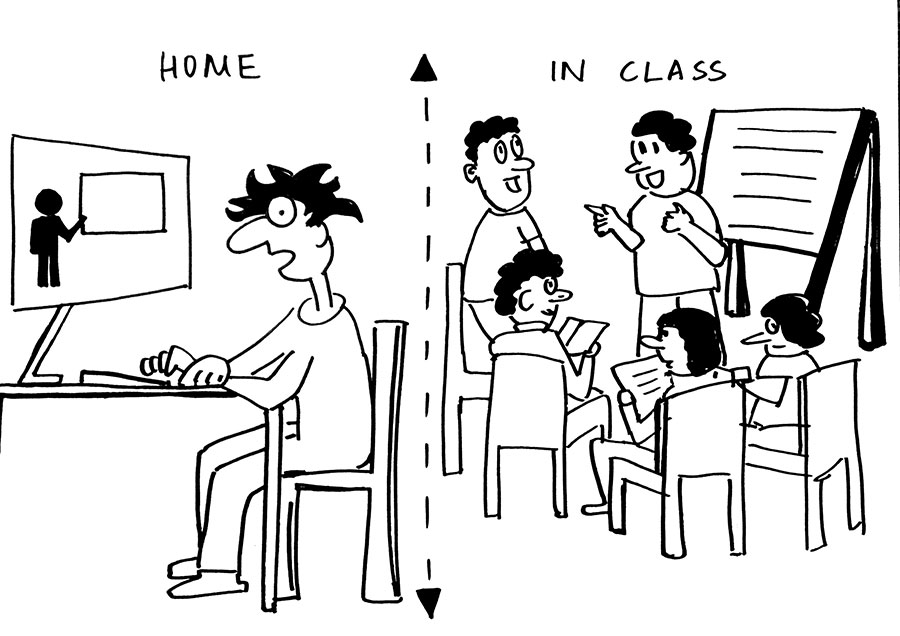
So how exactly do you flip the typical classroom structure and engage learners? We’ll provide some flipped learning tips and tricks for teachers so that you can make the most of this powerful methodology and create an engaging classroom experience for all involved.
Establish goals and objectives for flipped learning – what do you want to achieve with this method of teaching

When establishing goals and objectives for a flipped learning environment, it is important to remember that the primary focus of this method is to facilitate active learning, personalize instruction, and optimize student autonomy. While there are many potential objectives that can be set – such as generating enthusiasm and creativity in the classroom, developing problem-solving skills, or increasing student engagement with course material – each goal must reflect the specific needs of the learners.
This will help instructors get the most out of flipped learning and make sure that all students benefit from this form of instruction. Ultimately, by establishing meaningful goals for flipped learning, instructors can provide an effective learning experience that prepares students for success in their academic future.
Brainstorm ideas on how to use flipped learning effectively in the classroom
Flipped learning can be an effective way to customize instruction and maximize student engagement in the classroom. To make the most of this type of learning, it is important to plan out content with clear objectives and outcomes, plan appropriate activities during class time, provide feedback on student progress, integrate technology into lessons, and assess the flipped learning environment regularly so that corrections or adjustments to the lesson plan can be made as needed.
Additionally, it is essential to ensure that students have access to all necessary materials when planning for a flipped learning experience and that pre-class assignments are meaningful and will help prepare students for further study in class. With thoughtful consideration and implementation, flipped learning can be a powerful tool for both educators and students.
Choose the right tools and technology that will help make flipped learning successful

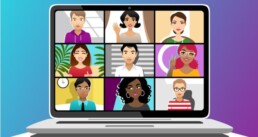
Understanding the capabilities and advantages of appropriate tools and technology to support flipped learning is critical in ensuring a successful educational outcome. Students have access to a multitude of technologies so it’s important to take time to identify which will best fit the objectives of flipped learning. Thinking through how the technology can be used to facilitate learning, assess performance, and engage learners should occur prior to implementation.
Every stage of flipped instruction requires careful consideration, right down to the use of digital tools that could enhance understanding. Of course, educational resources must also be accessible for all students regardless of technological proficiency. Therefore, choosing the right tools and technology for flipped learning may require making accommodations for those who are unable or uncomfortable with certain technologies. If done correctly, tech will greatly improve flipped learning experiences for educators and students alike.
Develop an engaging lesson plan that encourages student participation

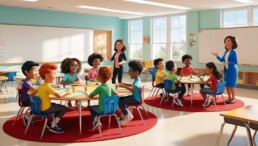
Engaging student participation in the lesson plan can help foster student development. By creating a lesson plan with creativity and care, teachers can set the stage for an interactive learning experience where students get to work together or independently to complete individual tasks.
The lesson plan should fill the students with curiosity and interest, allowing them to build their knowledge through exploration and practice. Incorporating activities that are fun but educational, finding ways to connect content to real life situations and having alternate approaches based on students’ learning styles will guarantee a successful classroom environment for everyone involved.
Monitor students’ progress during class so that everyone is on track and understands the material

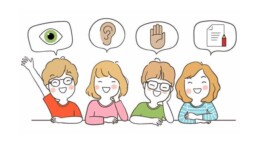
Monitoring student progress is essential to ensure a successful learning environment. As an educator, I believe in maintaining a high level of engagement with both myself and the students. To do this, I like to frequently assess their understanding by asking questions and using other methods such as individual conversations or classwide polls and surveys.
By keeping track of their comprehension throughout the course allows me to quickly identify any areas of confusion so corrective action can be taken. Through this proactive approach, all students can have a uniform understanding of the material being taught in class.
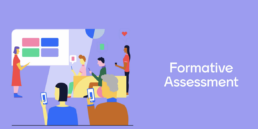
Create assessments through quizzes, tests, or other forms of evaluation to measure knowledge comprehension

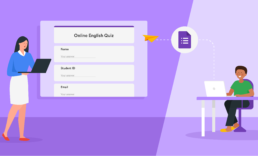
Assessments are an effective way to measure student knowledge comprehension and should be used often in the classroom. Quizzes, tests, or other forms of evaluation should be created strategically to provide insight into what content has been understood and digested. As a teacher or instructor, creating assessments for the students can help you keep track of their progress as well as identify any topics that need further explanation or review.
Assessments also act as practice for students who will later have exams; giving them the chance to apply their knowledge to real-world applications in a safe environment. Used correctly, assessments can prove invaluable in gauging how well each student is comprehending the material.
Conclusion
Effective flipped learning requires teachers to plan, strategize, and use the right tools and technology. Teachers should design learning activities that will challenge students, give them a chance to practice what they know, foster collaboration among classmates, and stimulate curiosity.
Moreover, it’s important for teachers to monitor student progress during the flipped classroom lessons in order for them to fully understand the material. Assessment activities such as quizzes or tests can help measure knowledge comprehension.
In summary, providing quality instruction via flipped learning involves effective planning and intentional use of engaging educational resources which can improve student outcomes and set students up for success.